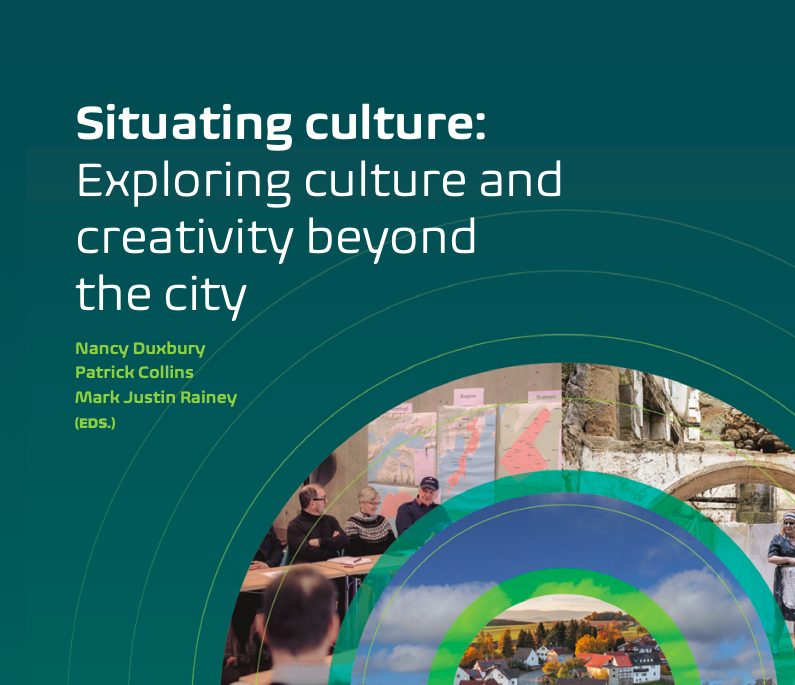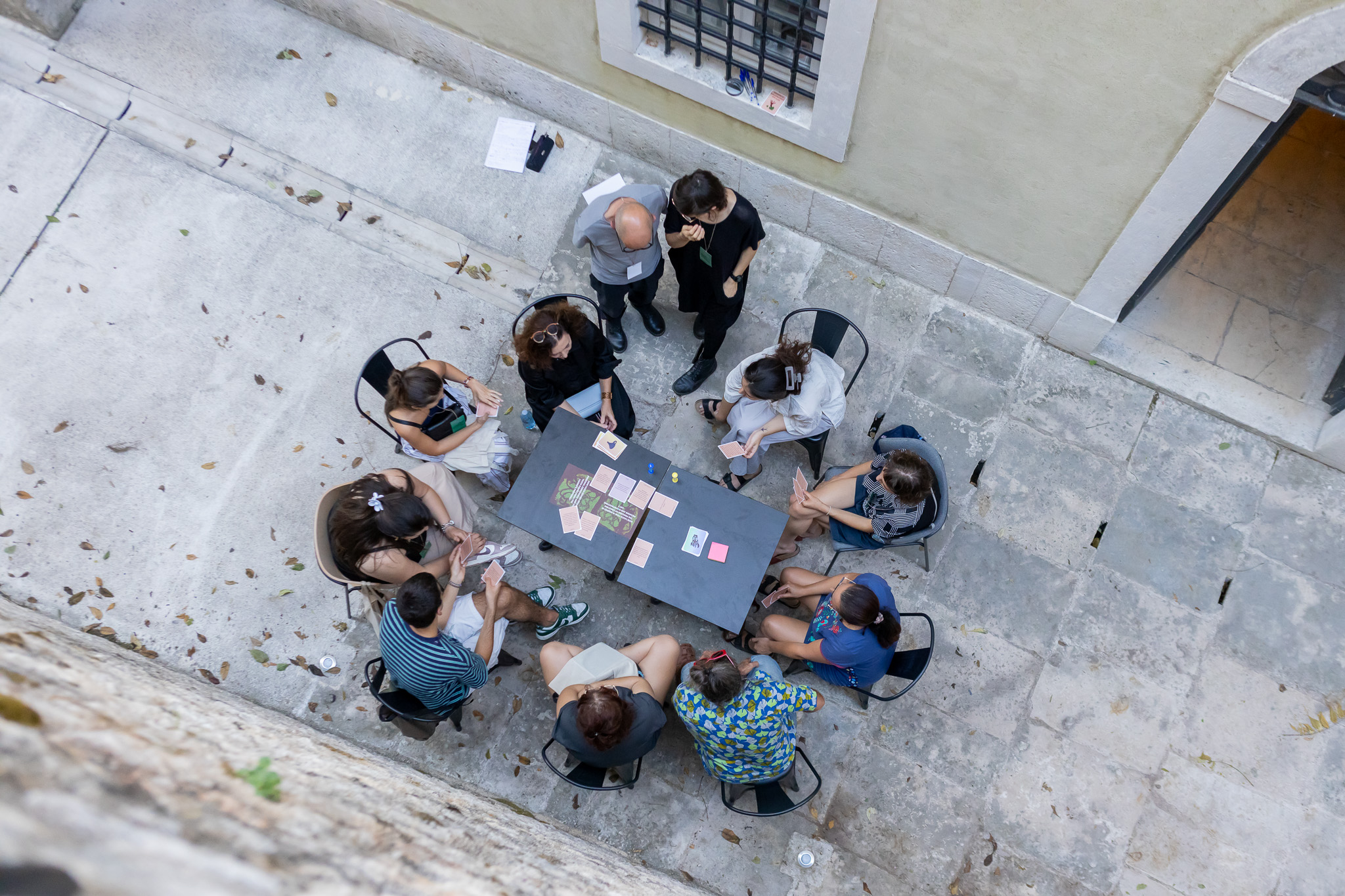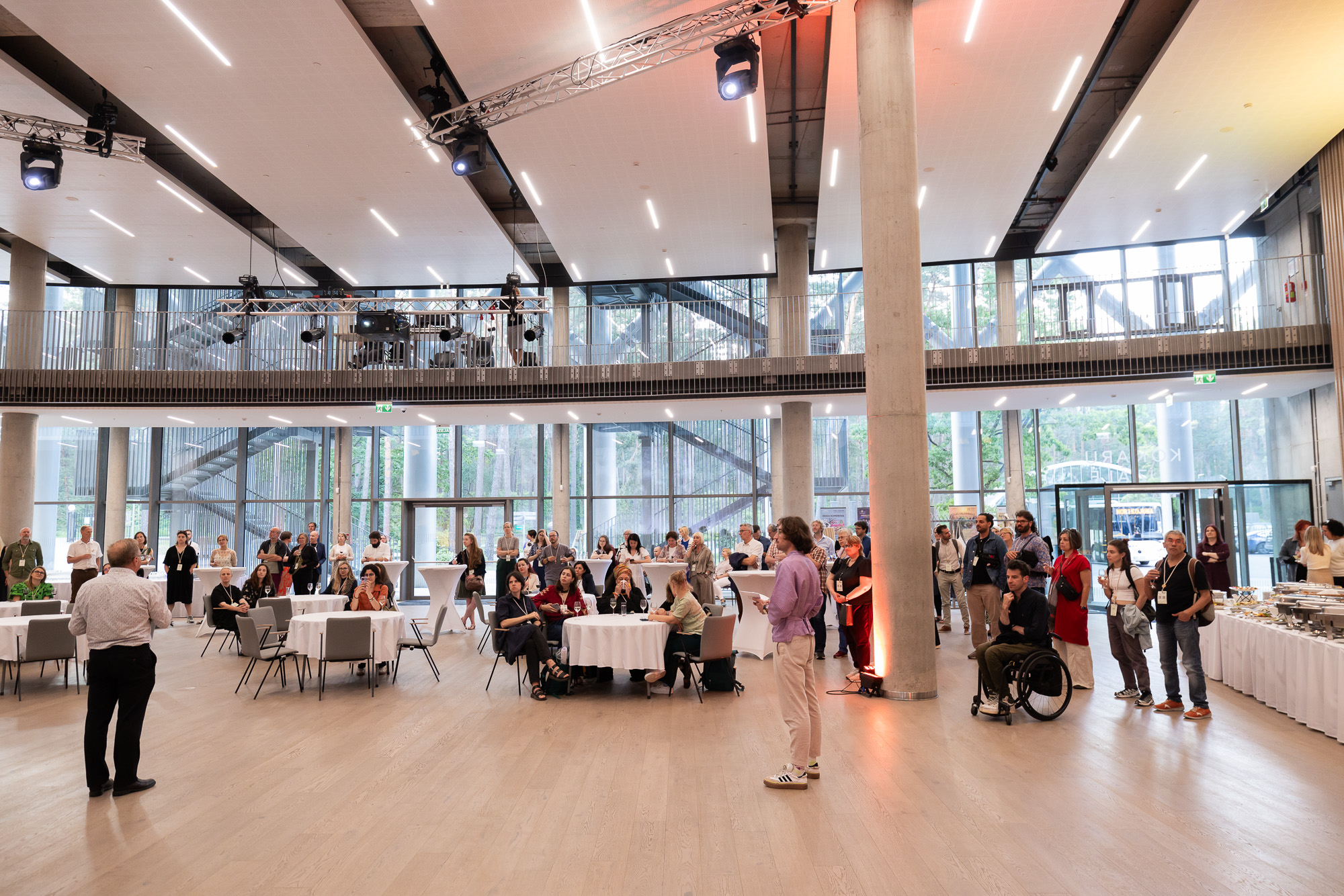
Four years of the EU-funded IN SITU project are wrapping up, so it is now time to reflect on the value that was generated for the cultural sector operating in rural areas across Europe, as well as its legacy for the future. Among the numerous outcomes that were achieved throughout the implementation of the project’s labs, one particularly defining aspect that stands out is the innovative approach combining research and practice. This methodology was able to unlock place-based potential, increase awareness around the meaning of sustainable development for peripheral regions and eventually provide practical tools and insights to enact place-based, participatory innovation.
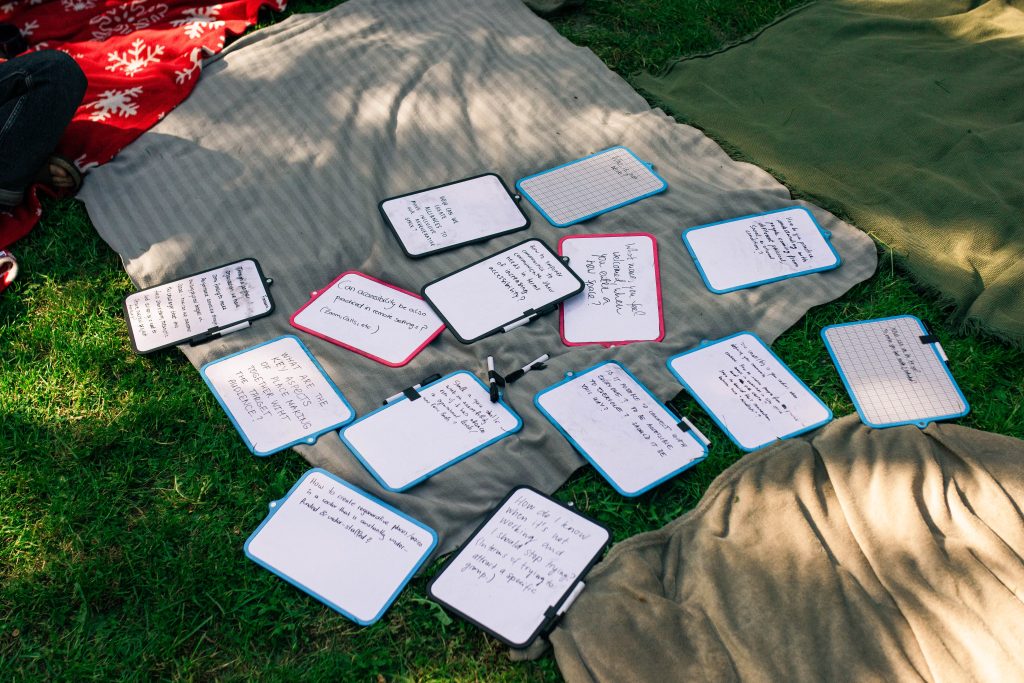
In this sense, capacity building was a cornerstone of the project and everything was conceived to generate collective learning which all stakeholders could benefit from. Indeed, many activities happening throughout the project were somehow intertwined with each other, like case studies would inform training development, whereas monitoring practices would be functional to mentoring programmes adjustments. This integrated method turned out particularly useful in tackling locally-rooted needs and building on them to generate transferable knowledge that can survive the ephemeral nature of today’s world, for CCIs to be more resilient and responsive to continuously changing necessities. Moreover, investing in capacity building in remote areas means equipping local practitioners with extensive and cross-sectoral skills that are able to cater for a range of heterogeneous tasks typical of cultural work, boosting competitiveness through creativity and exposure to new technologies and ideas, increasing their work outreach and finally making them more knowledgeable advocates.
Overall, what is worth lingering on is the relevance of doing so in non-urban areas, as scarcity of funding deeply limits resource allocation for human capacity growth and advancement, consequently hindering local innovation potential aroused by relation-oriented dynamics. In this respect, IN SITU was able to draw attention to the people-centered logic underpinning capacity building activities, to showcase the impact of collective learning for societal and cultural change. Such conception of human-based change was achieved through the implementation of participatory and interactive methodologies, such as peer to peer learning, communities of practice and group works, which in the long term are proven to enhance social empowerment and therefore steer local development. The same applies to mentoring, another tool designed to upskill cultural actors through human interactions aimed at nurturing confidence building, coaching and long-term effectiveness.
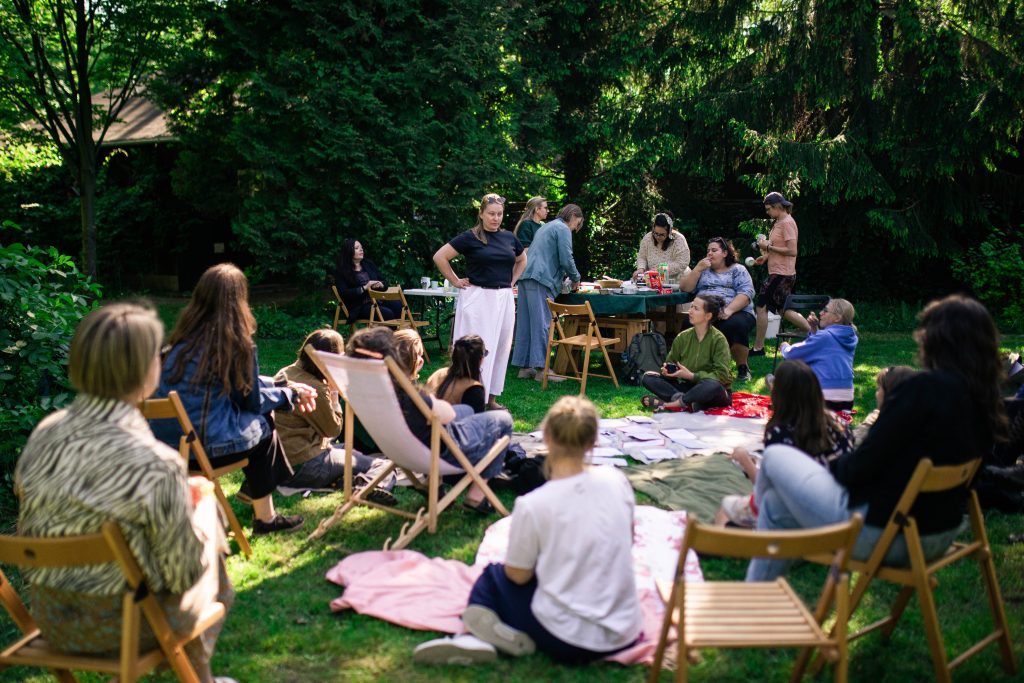
Although the importance of active contribution from cultural actors and local residents should be evident by now, the IN SITU framework introduced another non-conventional technique into the broader research methodology that, once again, incorporates the community’s perspective. We’re talking about the direct involvement of stakeholders in the evaluation process, transforming a traditional monitoring process into a participatory one. It takes the name of “reflexive monitoring” and its peculiarity is that it challenges the linearity and fixed dimension of traditional forms of impact assessment metrics that fail to capture the fluidity and complexity that enliven cultural life in rural areas. The added value of using this approach lies in its ability to be constantly adjourned by real-time insights that inform possible amendments to the original project development, without being blindly tied to a rigid set of benchmarks that may no longer be relevant as the project evolves. This is particularly fitting to the way cultural ecosystems function as to the multiplicity of parties collaborating together and the flexibility of those links happening within the system. Discussing reflexive monitoring within the boundaries of collective learning might seem improper, however, it feeds the conversation perfectly, as it leads back to the idea of learning-by-doing. In this way, monitoring contributes directly as a learning platform, taking on a new function which goes well beyond mere impact assessment. It allows people to learn from their own practices and choices, then become active authors of the project trajectory, and eventually support the reshaping process of its visions, goals and methodologies.
Therefore, in order to be truly impactful and complete, monitoring and evaluations processes should be co-designed, participatory and inclusive of both qualitative and quantitative metrics. Rethinking evaluation techniques as a dialogue, rather than as strict surveillance, as proposed by cultural actors themselves, might encourage local communities to take part in the decision-making process, turning attendance into proper ownership. Drawing on IN SITU experience and the reflection developed so far, the evaluation of the intricate and multifaceted impact of cultural activities require a more holistic approach that emphasises the process over predetermined objectives, that favours co-creative dynamics over top-down approaches and that acknowledges the value of innovating as projects unfold.
The analysis of the reflective gatherings and of the activities conducted throughout the case studies, confirmed how cultural practitioners realised the importance of questioning and challenging their own practices, while confronting them against external views and different modus operandi to increase self-awareness and knowledge about potential alternatives that could add more value to their work. IN SITU appeared also particularly appreciated in its transnational dimension, as it allowed stakeholders from apparently distant countries to bond over specific challenges within their ecosystems and feel inspired by new approaches and solutions. Solidarity became a precious feeling, empowering people to keep pushing through hardship and recognize their impact even beyond their local borders.
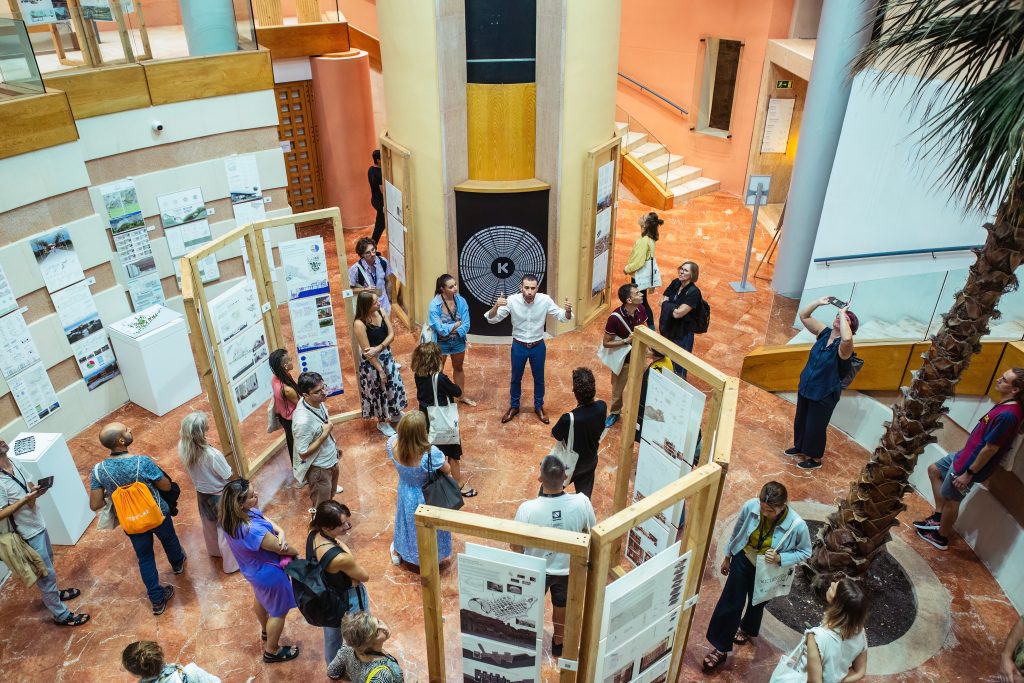
In conclusion, the combined research and case studies evidence from IN SITU show how these practices of collective contribution by means of shared learning opportunities are perhaps the only path forward for CCIs in peripheral regions to grow and prosper. They pave the way to comprehensively capture the short- and long-term impact of culture, to grasp the multiple meanings to the word “success” depending on its geographical and cultural contexts, and finally to promote a sustainable strategy to make the sector more resilient and responsive to fast-changing challenges and needs.
Reference
Lodder, M., Hölscher, K., Allaert, K., Notermans, I. and Frantzeskaki, N. (2020). Reflexive monitoring guidebook. Connecting Nature project. https://connectingnature.eu/sites/default/files/images/inline/Reflexive%20Monitoring%20Guidebook.pdf
For further information:
Michaela Charisi and Alice Bonini
European Network of Cultural Centres, Belgium
michaela.charisi@encc.eu
projects@encc.eu
Nancy Duxbury – IN SITU Project Coordinator
Centre for Social Studies (CES) at the University of Coimbra, Portugal
Email: in-situ@ces.uc.pt
Tel: +351 239 855 570
Web: https://insituculture.eu
The “IN SITU: Place-based innovation of cultural and creative industries in non-urban areas” project combines research and experimental actions to advance the innovation-related practices, capacities, and potential of cultural and creative industries (CCIs) based in non-urban areas of the EU. The project is funded by the European Commission under the Horizon Europe Program (project no.101061747). It began on July 1, 2022, and will run for four years. The IN SITU project consortium comprises 13 Full Partners from 12 countries, consisting of 11 research institutions, a European-wide cultural network, and a national cultural foundation.