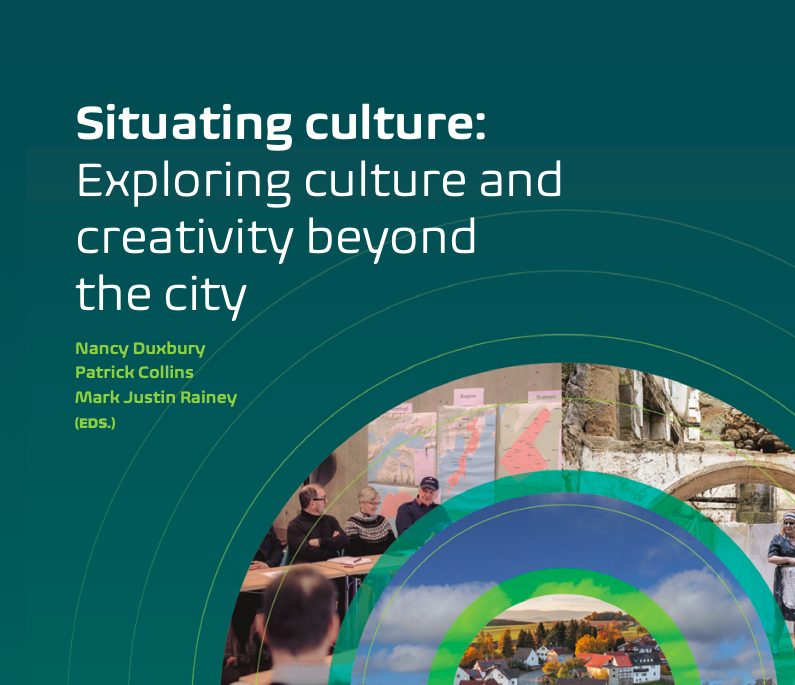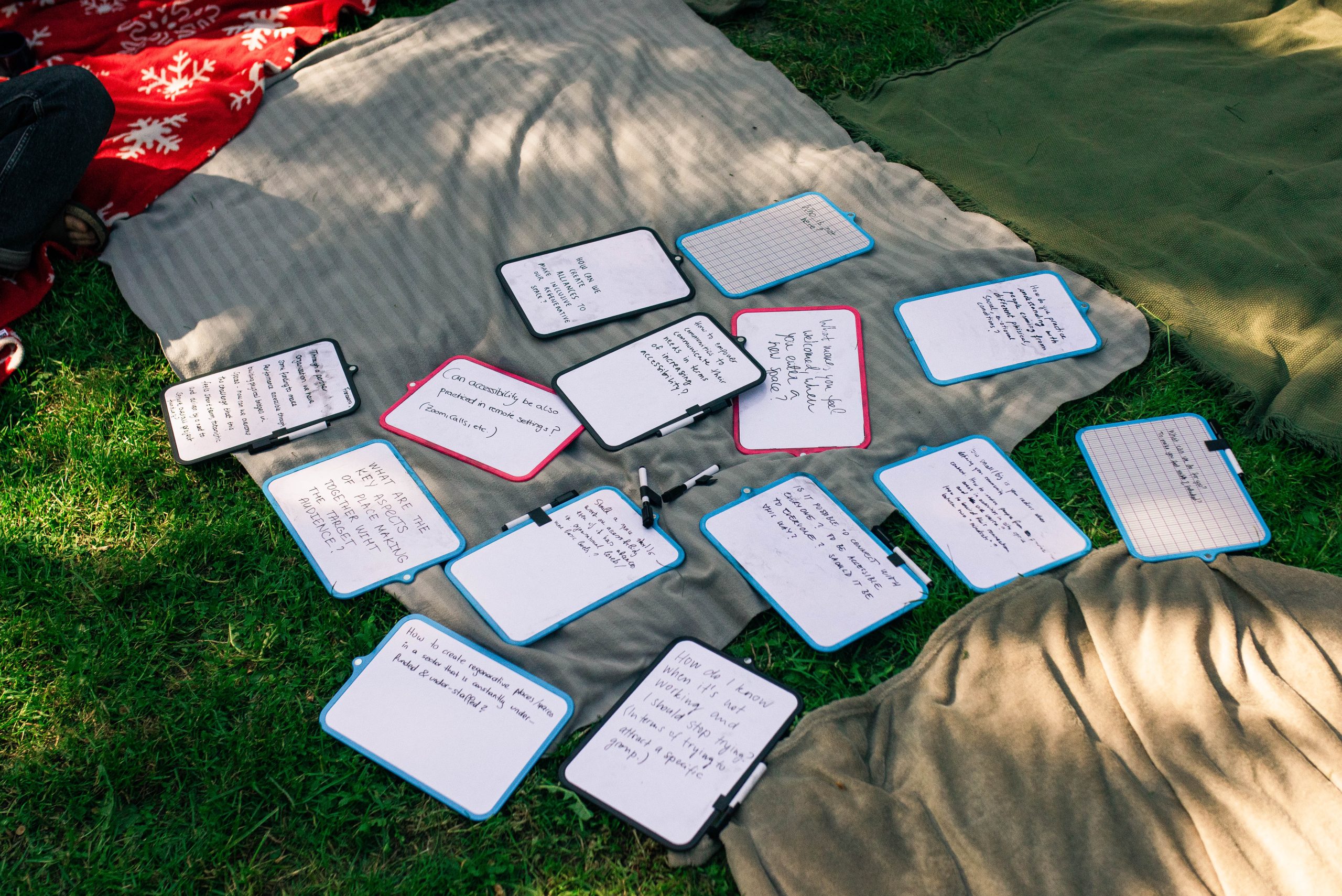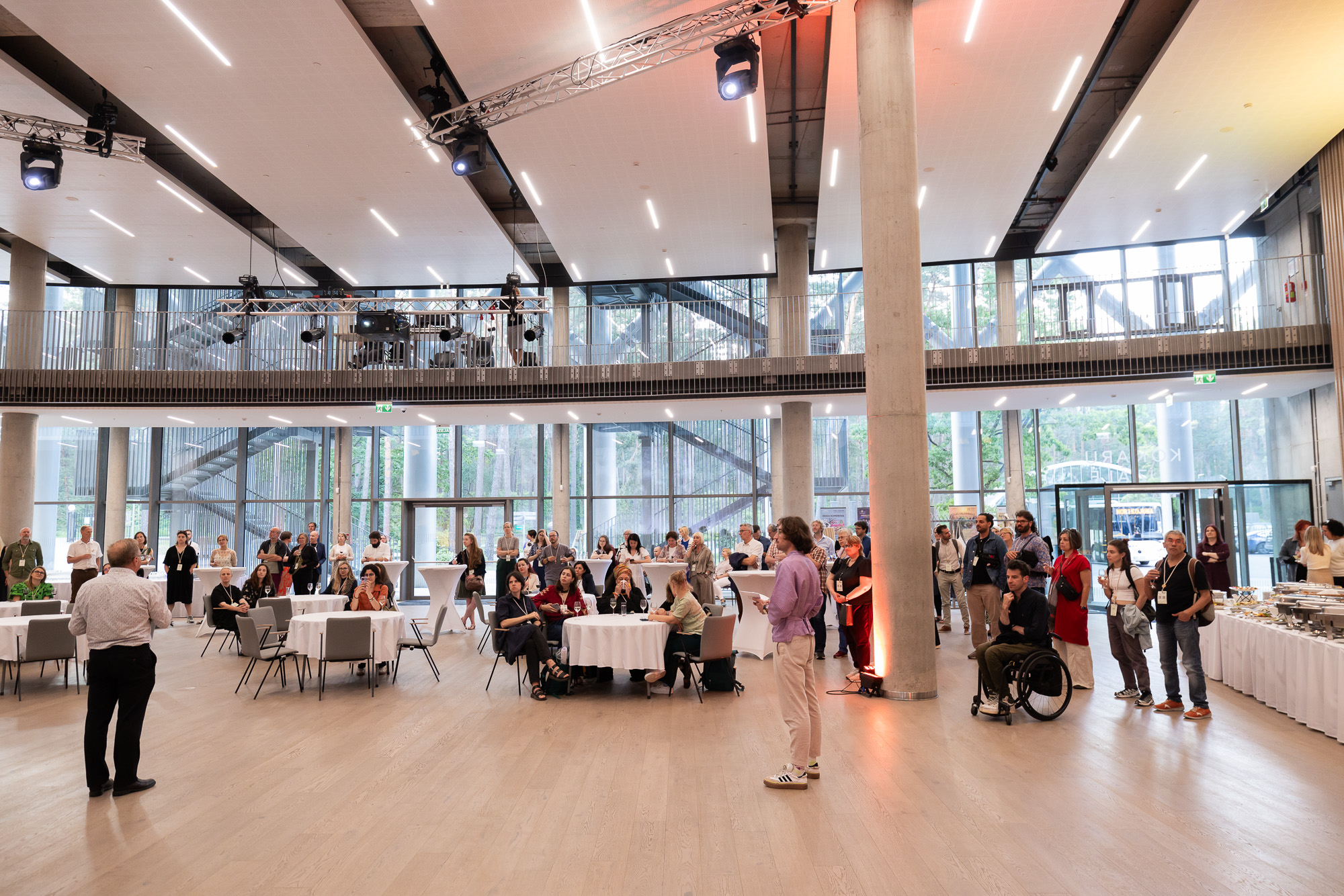
Within the broader economic and social system, cultural and creative industries (CCIs) are finally regaining centrality as meaningful contributors to society, thanks in part to IN SITU’s effort to provide alternative perspectives challenging common preconceived ideas about the role of culture in rural environments. Although proper recognition and support still lack, several steps ahead have been made. In this sense, a branch of research that is now emerging, and that encapsulates very well the work and mission of the EU-funded IN SITU project, deals with CCIs in rural areas and explores the features specific to peripheral regions as compared to the traditional focus on urban centres.
The first aspect that is worth pointing out is that a shift in approach is very much needed: the conception of non-urban areas should move away from a city-centered perspective that assigns value tiers accordingly, thus neglecting and minimizing cultural life away from the main metropolitan hubs. Instead, what happens outside is nothing but a different reality that needs recognition for what it is, away from any comparison logic. They are not “extra-ordinary”, but rather another distinct ordinariness. In this sense, researcher Markus Sattler suggests a new “ordinary periphery approach” that is willing to account for the multilayered and place-based characteristics of cultural activities in rural regions as equally relevant and valuable (further details can be found in the IN SITU Creative Ecosystem Change Index).
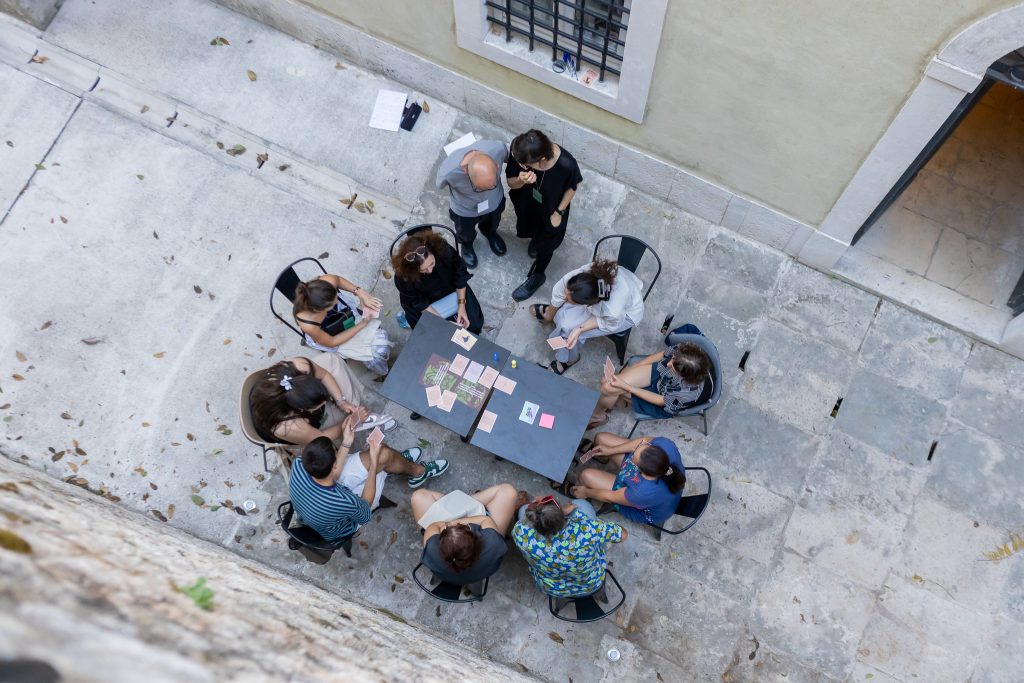
The second aspect that such reflection implies, relates to the need for a decentralised and pluralistic methodology that is informed by local diversity and therefore deviates from the misconception of one-size-fits all. Consequently, the structure that governs CCIs in peripheries is not universal nor replicable. It is, in fact, highly flexible and entrenched in the environmental and historical dimension of the territory, as well as the dynamics that connect people, actors and places and that eventually make cultural life in-loco possible and unique. These interconnections, which are capillary spread across regions and cross-cut over sectors, make up the so-called “cultural ecosystems” (for more details, go to the IN SITU report on Case Studies). This expression refers to the multitude and variety of synergies that are created among stakeholders within a specific area and that enable cultural life to flourish. The characteristics and scope of these close-knit networks of relations are shaped by local peculiarities, serve local needs and objectives and are inherently connected to nature, history and space. In this regard, IN SITU research areas have indeed highlighted the central role of cultural assets and traditional forms of artistic expressions when it comes to analysing cultural life in non-urban contexts. Selected regions, which might serve as emblems of the cultural sector operating in remote areas of Europe, seem to be all united by cultural identities forged around arts, artisanal craft, traditional music and dance, the blend of natural and artistic elements that would not resist displacement exercises. Cultural value generated in rural areas would not survive elsewhere, at least not without being denatured and detached from its original place-based authenticity. Historical geography makes it place-dependent.

These characteristics make cultural production dynamics in rural regions evidently fluid and place specific, thus requiring evaluation metrics, policies and approaches tailored to each region. Nevertheless, field research conducted within the IN SITU framework has detected several contact points that make challenges and struggles faced by CCIs in such remote areas quite akin. They span from a more financial dimension to logistical, social or structural matters.
Without much surprise, economic precarity was perhaps the most recurrent issue. Case studies highlighted concerns for a fragmented structure that fails to meet the needs of CCIs in non-urban districts. The lack of a support system built on diversified funding streams emerged as an overarching factor with respect to not only the amount of funding allocated, but also their source. The latter, indeed, is strictly correlated to the stability and resilience of the cultural sector, as the dependence on a single funding scheme risks jeopardising long-term activity, hence continuity in strategic plans, especially in times of wider economic crisis or funding cuts due to changing political agendas. Additionally, financial struggles generate a domino effect with implications across other sectors, such as capacity building opportunities, learning trajectories for cultural practitioners, shortages in human capacity and therefore the overall prospect of development and innovation. Having mentioned innovation and human capital, it is worth stressing the different nuance in meaning when associating novelty and rural areas. Here innovation might take the form of restoration and revaluation, words that are not likely to be associated, but most of all is human- and relation-based, it is not necessarily defined by numbers and profit-oriented metrics; this is also the reason why reducing resources for people to grow, create new connections and explore pioneer ideas, might compromise the local innovation potential.
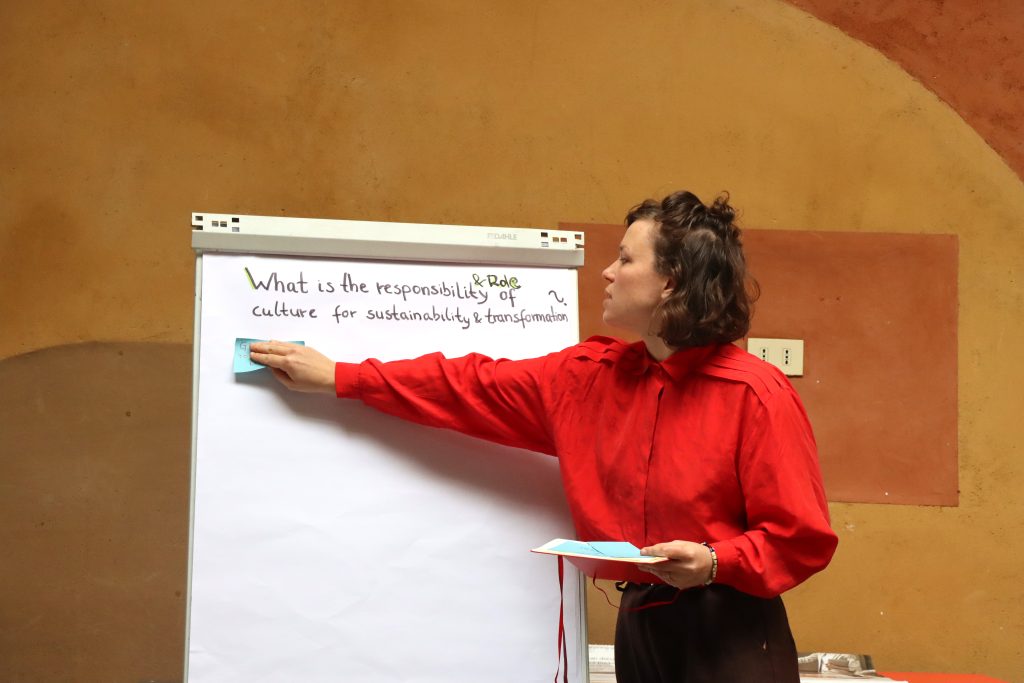
Returning to economic constraints, infrastructure limitations might also arise as a consequence. Throughout the implementation of IN SITU, research areas mentioned the importance of relying on a physical, ideally permanent, yet often missing, working space to secure identity formation and to facilitate cultural activities and community engagement.
Given the geographical remoteness and isolation from urban precincts, another logistical aspect pointed out was the mobility issue, referred to as both movement of resources and connection opportunities.
In terms of wider structural problems, two major challenges have been addressed. Firstly, CCIs in rural areas suffer from the dearth of a proper bespoke data set designed to assess their impact, reach and innovation across a number of evaluation criteria that can account for both the quantitative and qualitative dimensions of culture. Secondly, they face coordination problems within their own local cultural ecosystem, affecting the potential of a cross-sectoral approach, and among different stakeholders and governance levels, causing institutional disengagement and ineffectiveness.
Overall, what the IN SITU experience emphasised is a clear need for more extensive recognition of the work and value of cultural life beyond cities, as most of the problems that hinder a long-term and sustainable development strategy for small scale cultural ecosystems, are more likely to result from support deficiencies than weak visions for the future.
Reference
Sattler, M. (2025). Rethinking peripheral geographies of innovation: Towards an ordinary periphery approach. Eurasian Geography and Economics, 66(8), 984–1010. doi:10.1080/15387216.2023.2301396
For further information:
Michaela Charisi and Alice Bonini
European Network of Cultural Centres, Belgium
michaela.charisi@encc.eu
projects@encc.eu
Nancy Duxbury – IN SITU Project Coordinator
Centre for Social Studies (CES) at the University of Coimbra, Portugal
Email: in-situ@ces.uc.pt
Tel: +351 239 855 570
Web: https://insituculture.eu
The “IN SITU: Place-based innovation of cultural and creative industries in non-urban areas” project combines research and experimental actions to advance the innovation-related practices, capacities, and potential of cultural and creative industries (CCIs) based in non-urban areas of the EU. The project is funded by the European Commission under the Horizon Europe Program (project no.101061747). It began on July 1, 2022, and will run for four years. The IN SITU project consortium comprises 13 Full Partners from 12 countries, consisting of 11 research institutions, a European-wide cultural network, and a national cultural foundation.