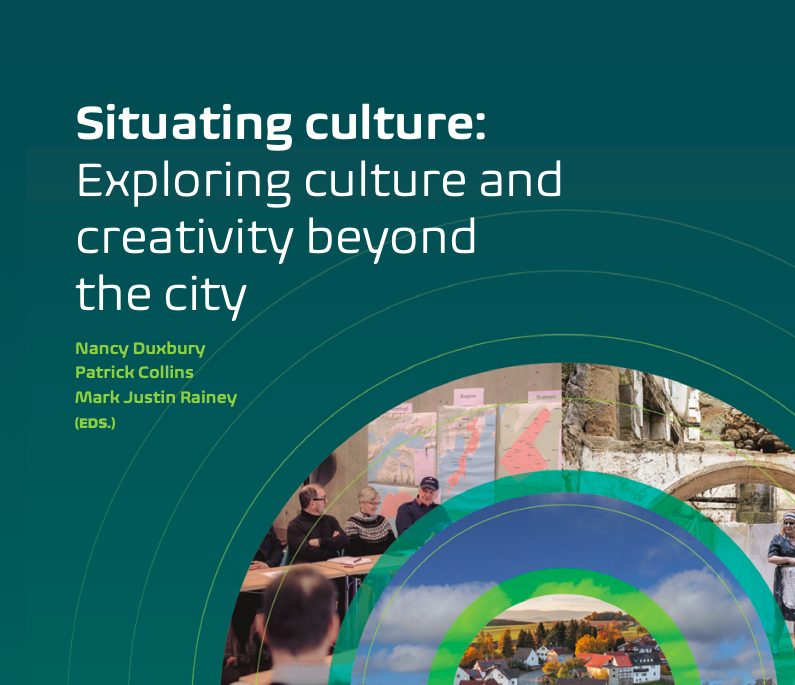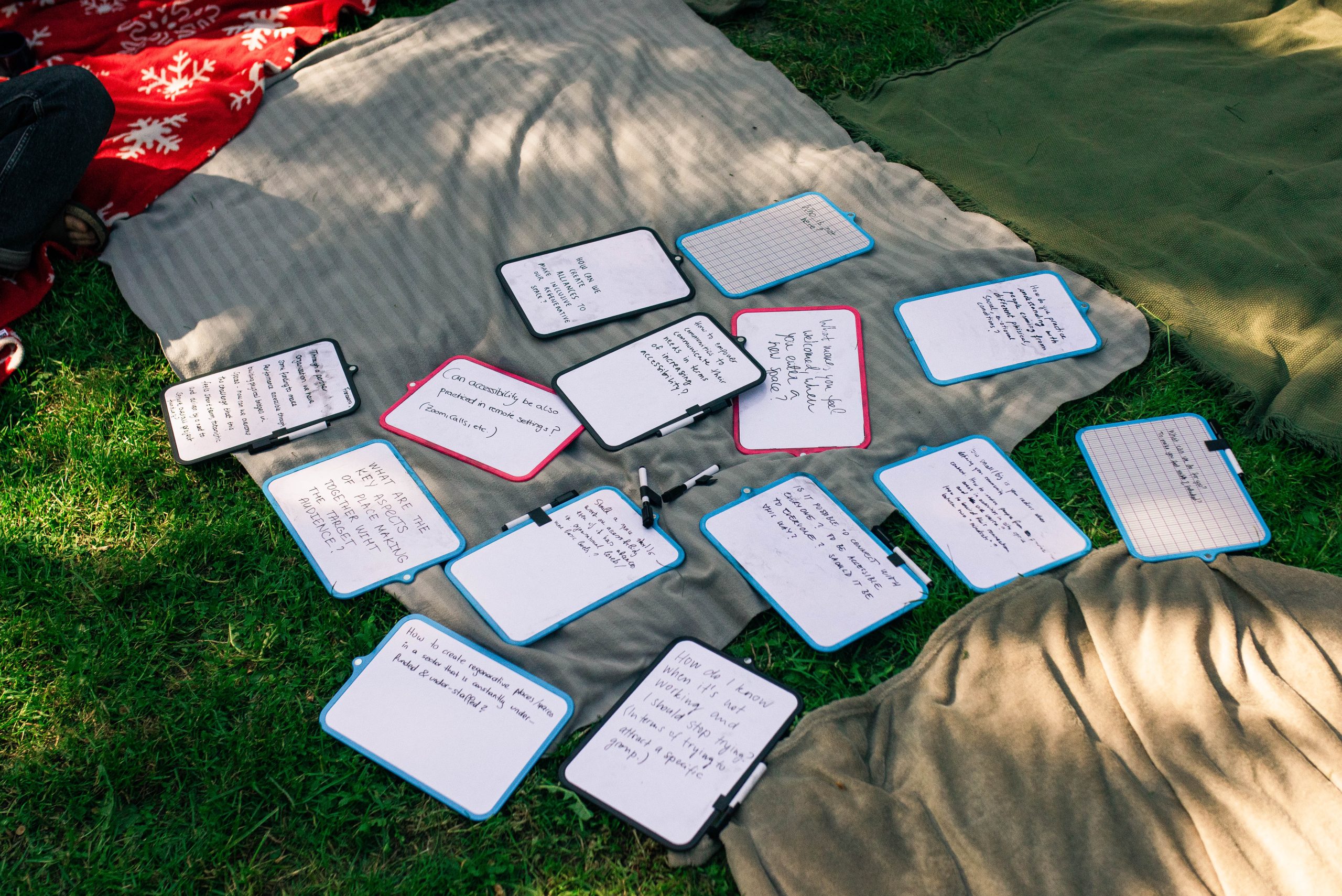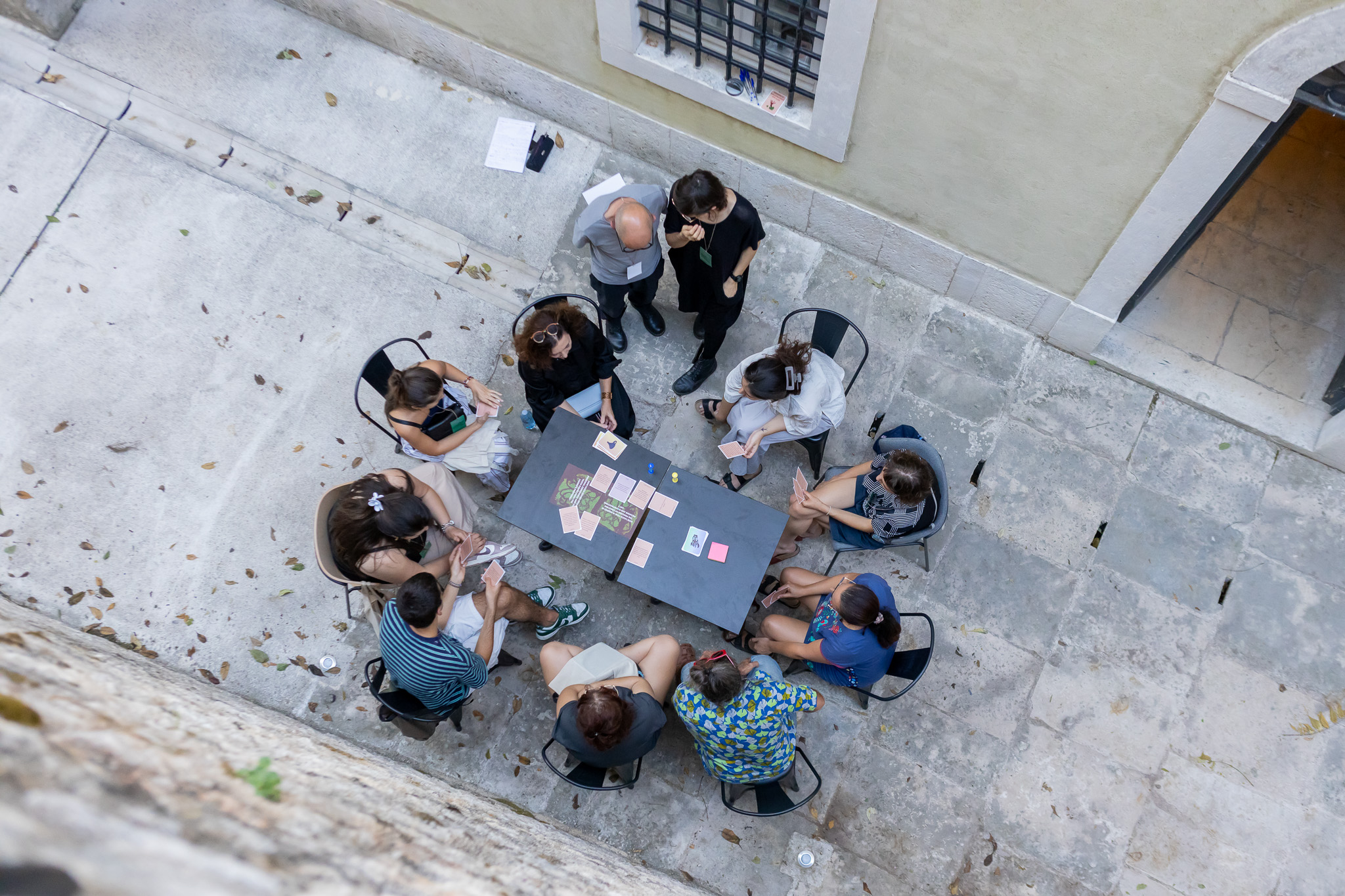
As the final phase of the EU-funded IN SITU project approaches, it is time to reflect on the major takeaways of this experience and on the valuable impact that a place-based approach meant for the development of cultural and creative activities in rural areas. The research was specifically designed to bring to the fore the complex, yet fascinating, reality of the cultural sector in peripheral regions that for far too long have received little academic, policy and institutional attention.
Beyond the city’s borders, the ecosystem that constitutes the way culture emerges and is managed might take different forms, as compared to urban-centered dynamics, yet it is in no way less relevant or less articulated. It is, in fact, entrenched in the local territory and its social infrastructures, thus being deeply place-dependent and characterised by unique peculiarities. What is worth mentioning is that innovation in rural areas doesn’t necessarily carry the same meaning as it does in metropolitan centres, given that it is shaped more by processes and relations, than solely profit-oriented metrics and goals. It is exactly in this context that community engagement and participatory practices become a key component of creative economies, not only as a means to foster social cohesion, but also to steer local sustainable development for more resilient societies.
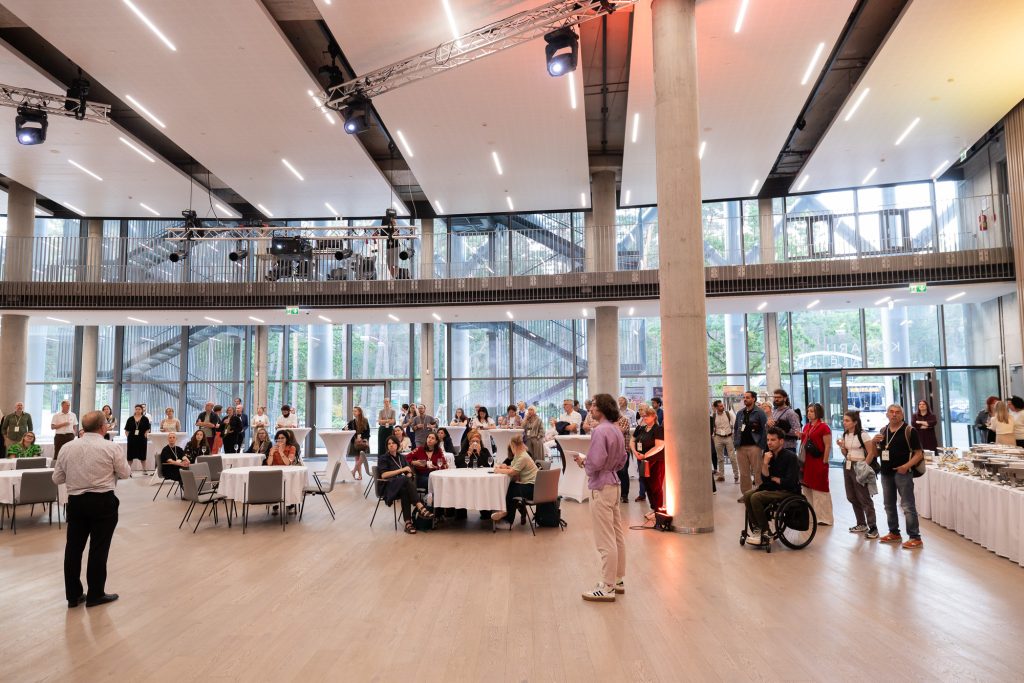
One way to implement this in rural areas is through collaborative placemaking practices, allowing civil society to be an active contributor to the local creative life, harnessing the specific potential of each region to transform and innovate. The example of the IN SITU research in the six established Labs in Latvia, Portugal, Finland, Ireland, Iceland and Croatia, has demonstrated how pursuing a bottom-up approach that is democratic and inclusive of the multiple voices that make up local communities, truly has the power to shape the multi-aspect perception of places. This is possible because involving citizens and stakeholders in co-creation processes of creative and cultural programmes, that are thereby conceived for the local community itself, enhances both the tangible and intangible dimension of placemaking. From the one side, ideas and creativity impact the appearance of a locality, making it more aesthetically-pleasing, repurposing underused or untapped resources or increasing the offer and quality of creative public spaces. On the other hand, they reinforce the imagery of an area, its reputation and touristic appeal, they promote the acknowledgment of place meanings in relation to their history and traditions, as well as the sense of belongingness and collective identity within the local community. Thus, place revitalisation, be it material or abstract, and community activation can function as mutually reinforcing strategies, while also promoting a more environmentally and socially sustainable approach to local development, one that encourages reuse and promotes collaboration.
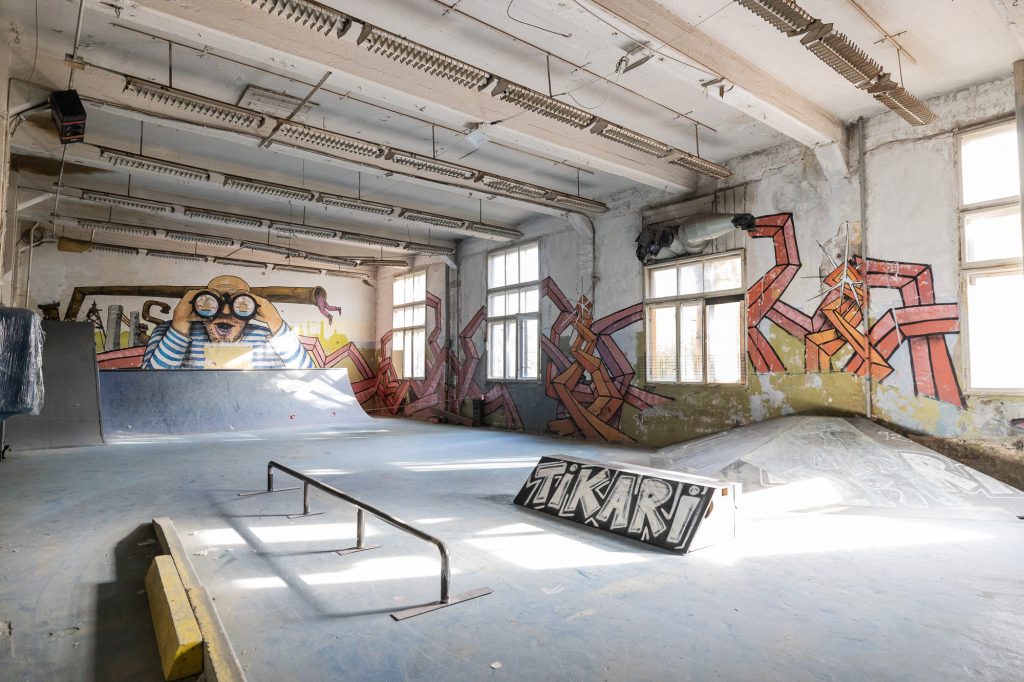
The feedback gathered from Lab locations where collective practices were, piece by piece, put in place by the contribution of the whole community coming together towards a common goal, really showed the beneficial role in bestowing upon “ordinary” people the power to create and transform their very own places. For some of them, this meant reevaluating local cultural or natural heritage sites through placemaking processes that wouldn’t have been possible without the community being interested, involved and physically present in the first place. Here people showed passion and heartfelt commitment to making forgotten or underrated places alive again. Likewise, youth engagement proved highly effective in strengthening young people’s sense of belonging and self-worth, by valuing, showcasing, and publicly recognizing their creative projects, with public spaces serving as a blank canvas for them to express ideas and play with creation.
In a nutshell, successful placemaking occurs when all actors of society, including youth, are actively involved in the process, consequently generating a number of benefits for the entire community. The latter would indeed witness an increased sense of unity and attachment to the territory; younger generations and citizens would have the opportunity to connect, explore collaborations, share ideas about a desirable future for their area, foster their creativity and grow more conscious of their voices, their impact and of their individual and collective identity; finally, the whole region would benefit from the originality that stems from bridging traditions and innovation and from the spillover effects generated by youth retention, mitigation of depopulation trends and increased attractiveness.
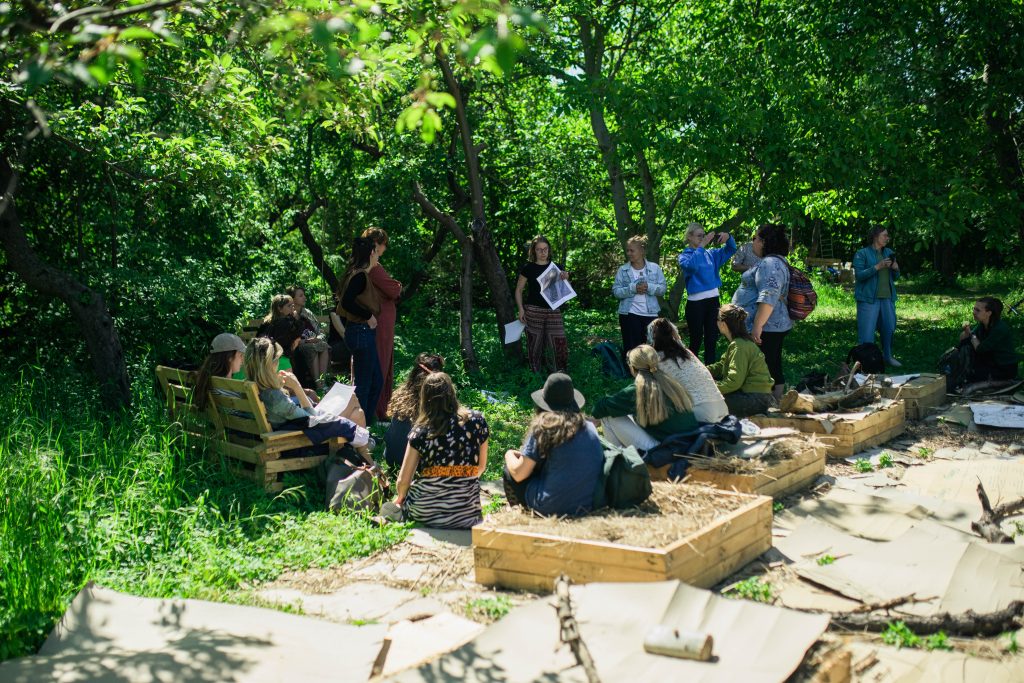
In addition to the urgency of activating the entire spectrum of stakeholders in order to trigger long-term social empowerment, placemaking processes in peripheral locations need to be designed in function of the local natural, historical and cultural heritage. As previously mentioned, creative life away from the urban districts is fundamentally embedded in the geography it dwells, making development potential specific to each region a key asset to tap into when it comes to reshaping the structure and perception of a place. Given the longstanding connection to the territory and the extensive knowledge of its cultural expressions, the role of community appears once again as crucial. With the purpose of researching and outlining a far-sighted development trajectory that is built upon place-sensitive and locally-rooted geographical competitive edges, IN SITU results laid bare the centrality of civil society mobilisation as the most effective approach for cultural and creative industries in rural areas to drive change and sustainable innovation.
For further information:
Michaela Charisi and Alice Bonini
European Network of Cultural Centres, Belgium
michaela.charisi@encc.eu
projects@encc.eu
Nancy Duxbury – IN SITU Project Coordinator
Centre for Social Studies (CES) at the University of Coimbra, Portugal
Email: in-situ@ces.uc.pt
Tel: +351 239 855 570
Web: https://insituculture.eu
The “IN SITU: Place-based innovation of cultural and creative industries in non-urban areas” project combines research and experimental actions to advance the innovation-related practices, capacities, and potential of cultural and creative industries (CCIs) based in non-urban areas of the EU. The project is funded by the European Commission under the Horizon Europe Program (project no.101061747). It began on July 1, 2022, and will run for four years. The IN SITU project consortium comprises 13 Full Partners from 12 countries, consisting of 11 research institutions, a European-wide cultural network, and a national cultural foundation.